Lincolnville
St. Augustine’s historic Black neighborhood, a 45-block district of Victorian architecture, Civil Rights history, and one of the most genuinely local feels in the city.
Lincolnville
St. Augustine’s historic Black neighborhood, a 45-block district of Victorian architecture, Civil Rights history, and one of the most genuinely local feels in the city.
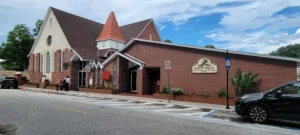
Lincolnville is the historic Black neighborhood that sits just southwest of the Plaza de la Constitución, occupying a 45 to 50 block district that holds St. Augustine’s largest concentration of late Victorian Era architecture and an outsized share of the city’s most significant 20th century history. Founded in 1866 by seven freed slaves on former plantation land, originally called “Africa” and renamed Lincolnville in 1878, this is the neighborhood that became the organizational hub of the local Civil Rights Movement during the 1960s, the place where Dr. Martin Luther King Jr. was arrested in June 1964, and where activism helped accelerate passage of the Civil Rights Act.
The neighborhood is bounded by Cedar, Riberia, Cerro, and Washington streets, and DeSoto Place. It’s listed on the National Register of Historic Places, with 548 originally documented contributing buildings still defining its character. Walking through Lincolnville means walking past Victorian houses with wraparound porches and ornate trim, churches that anchored the community for generations, the Lincolnville Museum and Cultural Center in the former Black high school, and the ACCORD Civil Rights Museum, Florida’s first Civil Rights museum. The ACCORD Freedom Trail’s 31 historic markers turn a casual walk into a self-guided history lesson.
Today’s Lincolnville is a mix of long-time residents, new arrivals, restored historic homes, and small businesses, with monthly art walks, a Porch Festival where music spills from front porches, and a growing dining and bar scene. For visitors interested in the deeper, fuller story of St. Augustine, this is the most important neighborhood to walk. This guide covers the museums, the historic markers, and the places to eat and drink that make Lincolnville worth the time.
Lincolnville’s Historic Sites
The neighborhood’s history runs deep, from the Civil Rights movement of the 1960s to the daily life of the Washington Street commercial district during segregation. These are the museums, parks, and sites that anchor a Lincolnville visit.
Lincolnville Historic District
Cathedral Basilica
Plaza de la Constitución
Local tip
The ACCORD Freedom Trail markers (31 stops throughout Lincolnville and downtown) make for an excellent self-guided walking tour. Start at the Plaza, where the Andrew Young Crossing brass footsteps mark Rev. Young’s June 1964 night march, then follow the markers into Lincolnville. Plan 2 hours minimum.
Where to Eat in Lincolnville
Lincolnville’s food scene has grown steadily, with a mix of historic Black-owned spots, newer cafés, restaurants in restored historic buildings, and easy access to the rest of downtown’s dining just a few blocks north.
Where to Stay Near Lincolnville
Lincolnville itself has a small but interesting mix of historic B&Bs and inns. Most visitors stay in nearby downtown lodging since the neighborhood is just blocks from the Plaza.
Lincolnville Events & Culture
The neighborhood’s calendar reflects its character: jazz festivals at the museum, the Lincolnville Porch Festival with simultaneous front-porch concerts, Fourth Friday cabaret events, and the St. Benedict Blues Festival pairing barbecue and live music. Check current calendars when planning a visit.
Practical Tips
How to Visit
Walk it. The neighborhood is best experienced on foot, and parking is mostly residential. Use the downtown parking garage and walk south, or park along King Street and walk in.
How Long
A serious visit takes 2 to 3 hours: the museum, a walk along the Freedom Trail, time inside the ACCORD Civil Rights Museum, and a meal or coffee. A quick walk-through is possible in an hour but misses the depth.
Be Respectful
Lincolnville is an active residential neighborhood, not an outdoor museum. Most Victorian houses are private homes. Photographs of buildings are fine, but respect privacy and stay on public sidewalks.
The Black History App
St. Augustine’s Black History App provides self-guided audio tours of significant sites, and many oral histories from Lincolnville residents are available online through the museum. Worth downloading before your walk.
Read our history: Lincolnville: The St. Augustine Neighborhood Every Visitor Should Understand
Live rates and availability in St. Augustine: Search and prices from Expedia and Vrbo. We may earn a commission at no extra cost to you.
Book a stay