
Lincolnville Historic District
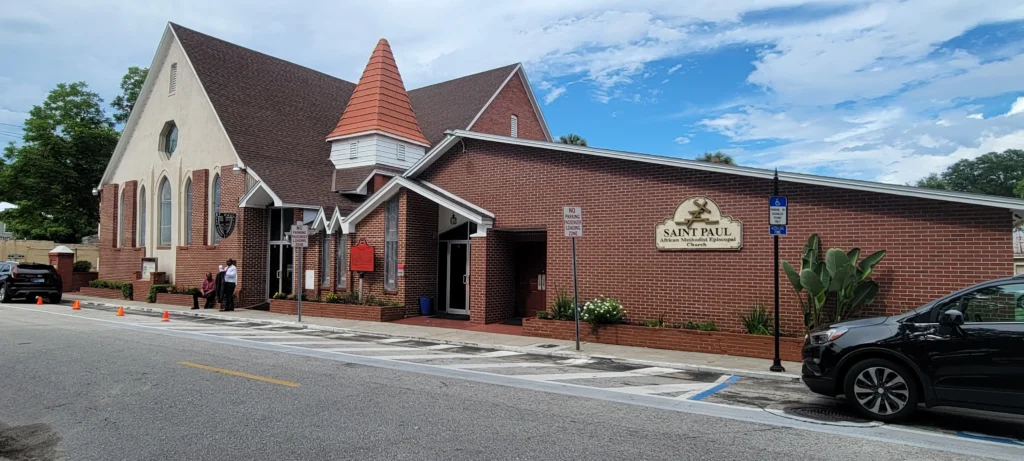
The Lincolnville Historic District stands as one of the most significant and inspiring neighborhoods in American history, representing both the resilience of a community founded by freed slaves after the Civil War and serving as a pivotal battleground in the Civil Rights Movement that changed our nation. Located on the southwest peninsula of St. Augustine, just minutes from the historic downtown core, this 45-50 block neighborhood offers visitors a profound journey through African American history, beautiful Victorian-era architecture, vibrant cultural institutions, and a thriving contemporary community that honors its past while embracing the future.
Lincolnville’s story begins in 1866 when seven freedmen and women (Peter Sanks, Matilda Papy, Harriet Weedman, Miles Hancock, Israel McKenzie, Aaron DuPont, and Tom Solana) leased land for just $1 per year on what was then the west bank of Maria Sanchez Creek, across from developed St. Augustine. These pioneers established a settlement originally called “Africa” or “Little Africa,” creating a community where formerly enslaved people could build new lives, establish businesses, purchase property, and exercise the freedoms they had been denied. After streets were laid out in 1878, the community came to be known as Lincolnville, likely named in honor of President Abraham Lincoln, whose Emancipation Proclamation had begun the journey toward freedom.
The area that would become Lincolnville had its own complex earlier history. The land had been home to Indian villages, later became part of colonial plantations including the Dumas plantation “Yalaha” (Seminole word for orange) and “Buena Esperanza” (Spanish for “Good Hope”), both devoted to orange grove cultivation. Even Abraham Lincoln’s private secretary, John Hay (who later served as Secretary of State under Theodore Roosevelt), owned a 5-acre orange grove in what would become the northwest corner of modern Lincolnville. This layered history adds to the neighborhood’s fascinating character.
African Americans trace their presence in St. Augustine back to the city’s 16th-century founding, playing integral roles throughout the city’s history despite facing increasing restrictions as forced segregation became law in the late 1800s. Lincolnville became the center of African American life in St. Augustine, where residents built churches, schools, and a vibrant business district surrounded by homes displaying the ornate Victorian architecture popular during that era. By 1930, Lincolnville had grown to encompass both the African American community itself and adjacent white residential areas that had developed alongside it, becoming a major part of the city.
The neighborhood’s golden age came during the segregation era when, paradoxically, the exclusionary conditions that limited African Americans’ access to white-owned businesses encouraged the flourishing of black-owned enterprises. By the 1920s, a lively commercial district centered on Washington Street made it the social heart of Lincolnville. The Palace Market grocery store, owned by prominent businessman Frank Butler, anchored the district. Butler would later purchase oceanfront property in 1927 to establish Butler Beach, creating the only beach between Jacksonville and Daytona Beach where African Americans were welcome during the “whites only” era. His legacy continues to impact both Lincolnville and coastal access for all people.
Photographer Richard A. Twine’s studio at 62 Washington Street captured the neighborhood’s vitality during the 1920s. When his fire-damaged building faced demolition in 1988, workers discovered 103 glass negatives in the attic that Twine had created documenting everyday life in the thriving community. These remarkable images, now preserved by the St. Augustine Historical Society, provide an invaluable window into Lincolnville’s character during this pivotal era. The photographs show residents gathered after dances at the Odd Fellows Lodge (now a condominium), celebrating on Washington Street, and going about their daily lives in a community that had created its own prosperous world despite systemic racism.
Lincolnville’s most significant national impact came during the 1960s Civil Rights Movement when it became the organizational hub for demonstrations that would help secure passage of the Civil Rights Act of 1964. Local activists like Dr. Robert Hayling organized protests against segregation in St. Augustine, facing violent opposition from the Ku Klux Klan and segregationists. When local resistance escalated, activists appealed to Dr. Martin Luther King Jr. and the Southern Christian Leadership Conference (SCLC) for support. Dr. King was arrested in St. Augustine during protests on June 9, 1964. That same month, Rev. Andrew Young led a courageous night march from Lincolnville to the Plaza de la Constitución downtown, where he faced violent opposition. His walk is now memorialized with brass footsteps at the Plaza’s Andrew Young Crossing, allowing visitors to literally walk in the footsteps of this hero.
The month also saw baseball legend Jackie Robinson address a civil rights rally in Lincolnville, bringing additional national attention to the struggle for equality in St. Augustine. The publicity surrounding these events, particularly the violent response to peaceful “wade-ins” at segregated beaches (including incidents where segregationists threw acid into motel swimming pools when African Americans entered), helped hasten Congressional passage of the Civil Rights Act on July 2, 1964. The bronze Foot Soldiers Memorial at the Plaza honors those who peacefully protested during this turbulent period, standing as permanent testimony to their courage.
The Lincolnville Historic District was officially designated and listed on the National Register of Historic Places in 1991, recognizing its architectural and historical significance. Originally documented with 548 contributing buildings, the district is bounded by Cedar, Riberia, Cerro, and Washington streets and DeSoto Place. The neighborhood still contains St. Augustine’s largest concentration of late Victorian Era buildings, most of them private residences displaying the architectural craftsmanship of the period including ornate details, wraparound porches, and distinctive rooflines.
Today’s Lincolnville maintains its historical integrity through preserved architecture, museums, cultural centers, and community efforts ensuring that the neighborhood’s legacy remains accessible for future generations. The Lincolnville Museum and Cultural Center, housed in St. Augustine’s first Black public high school building, shares the broader story of African American history through immersive exhibits, oral histories, educational programs, lectures, and live performances. The museum’s Lincolnville Lifeways exhibit transports visitors to the bustling mid-20th century neighborhood, introducing influential figures like Richard Twine, Janie Price, Debby Moore, and Frank Butler while exploring daily life through the eyes of residents.
The ACCORD Civil Rights Museum, Florida’s first museum dedicated to the Civil Rights Movement, provides another essential stop for understanding this pivotal period. The self-guided ACCORD Freedom Trail features 31 historic markers throughout Lincolnville and downtown St. Augustine, identifying sites that played significant roles in the movement. Walking this trail offers an inspiring and enriching experience that connects visitors directly to the places where history was made.
Contemporary Lincolnville has evolved into an eclectic, vibrant neighborhood mixing historic homes with modern amenities, long-time residents with new arrivals drawn by the area’s character and convenient downtown location. The neighborhood features several notable establishments reflecting its cultural richness. The St. Augustine Distillery, housed in a century-old ice plant, offers tours and tastings showcasing local spirits. The St. Benedict Blues Festival draws blues enthusiasts annually for gumbo, barbecue, and outstanding musical performances. The Lincolnville Porch Festival creates an innovative celebration where intimate concerts occur simultaneously on different porches throughout the neighborhood, allowing attendees to wander from home to home enjoying music, meeting neighbors, and experiencing the community’s welcoming spirit.
The neighborhood hosts Art Walk events, local businesses including Alchemy & Fire Books (an African American-owned bookstore specializing in African diaspora literature), coffee shops, restaurants, and gathering spaces that maintain Lincolnville’s tradition as a social and cultural center. Hand-painted murals appear on buildings throughout the neighborhood, blues music drifts from venues, and eclectic shops offer unique finds with heart and history behind them.
Lincolnville’s location within St. Augustine’s Historic District, situated just southwest of the central plaza and bounded by major streets, makes it incredibly accessible. Visitors can easily walk from downtown hotels and attractions into Lincolnville, experiencing the neighborhood on foot as the most authentic way to appreciate its architecture, feel its character, and understand its significance. The tree-lined streets, carefully maintained historic homes, churches that have anchored the community for generations, and parks provide a peaceful counterpoint to the busier tourist areas while remaining convenient to all downtown amenities.
For visitors interested in Black history, civil rights heritage, architectural preservation, authentic cultural experiences, or simply exploring a neighborhood with genuine character and soul, Lincolnville offers an essential and deeply moving experience. It represents the best of what preservation can accomplish: honoring the past while creating vibrant present and future, ensuring that the struggles, triumphs, and everyday lives of African Americans in St. Augustine remain visible and celebrated as the integral part of our nation’s story that they truly are.
Good to know
- - Founded 1866 by seven freed slaves on former plantation land
- - Originally called "Africa" or "Little Africa"
- - Renamed Lincolnville in 1878, likely honoring President Lincoln
- - 45-50 block historic district on southwest peninsula of St. Augustine
- - Listed on National Register of Historic Places (1991)
- - Originally documented with 548 contributing historic buildings
- - Bounded by Cedar, Riberia, Cerro, Washington streets and DeSoto Place
- - Largest concentration of late Victorian Era buildings in St. Augustine
- - Most buildings are privately owned historic residences
- - Ornate Victorian architecture with distinctive details
- - African American presence in St. Augustine dates to 16th century founding
- - Community built churches, schools, vibrant business district
- - Washington Street commercial district thrived during 1920s segregation era
- - Palace Market grocery store owned by Frank Butler
- - Frank Butler established Butler Beach in 1927 for African Americans
- - Odd Fellows Lodge at 92 Washington St. hosted dances, proms, celebrity performances
- - Ray Charles and Little Richard performed at Odd Fellows Lodge
- - Richard A. Twine photographer documented 1920s neighborhood life
- - 103 glass negative photographs preserved by St. Augustine Historical Society
- - Pivotal location for 1960s Civil Rights Movement organizing
- - Dr. Robert Hayling led local civil rights activism
- - Dr. Martin Luther King Jr. arrested here June 9, 1964
- - Rev. Andrew Young led night march from Lincolnville to Plaza
- - Andrew Young Crossing brass footsteps at Plaza de la Constitución
- - Jackie Robinson addressed civil rights rally in Lincolnville (June 1964)
- - "Wade-in" demonstrations at segregated beaches drew national attention
- - Acid thrown into motel pool by segregationists shocked the nation
- - Peaceful protests helped secure passage of Civil Rights Act (July 2, 1964)
- - Bronze Foot Soldiers Memorial honors peaceful protesters
- - Lincolnville Museum and Cultural Center in former Black high school
- - Museum explores 450+ years of African American history
- - Lincolnville Lifeways exhibit recreates mid-20th century neighborhood
- - Oral histories, educational programs, lectures, live performances
- - ACCORD Civil Rights Museum (Florida's first)
- - ACCORD Freedom Trail with 31 historic markers
- - Self-guided trail identifying significant Civil Rights sites
- - St. Augustine Distillery in century-old ice plant
- - Distillery tours and tastings of local spirits
- - St. Benedict Blues Festival annual event
- - Gumbo, barbecue, and blues performances
- - Lincolnville Porch Festival with simultaneous concerts on porches
- - First Friday Art Walk events
- - Alchemy & Fire Books (African American-owned bookstore)
- - African diaspora literature specialty
- - Hand-painted murals throughout neighborhood
- - Local coffee shops, restaurants, gathering spaces
- - Tree-lined streets with mature canopy
- - Churches anchoring community for generations
- - Historic parks and green spaces
- - Convenient location just southwest of central downtown plaza
- - Walking distance to Historic Downtown attractions
- - Boutique hotels and bed & breakfasts in historic buildings
- - Mix of long-time residents and new arrivals
- - Active community preserving heritage while embracing future
- - Monthly Fourth Fridays cabaret-style musical events
- - Jazz Festival at Lincolnville Museum
- - Eclectic shops supporting local artisans
- - Restaurant and bar scene with cultural authenticity
- - Safe, walkable neighborhood with welcoming atmosphere
- - Essential stop for understanding St. Augustine's complete history
- - Black History App available for self-guided tours
- - Virtual tours and oral histories accessible online
- - Educational programming for schools and groups
- - Community festivals celebrating Lincolnville heritage
- - Active historic preservation efforts protecting buildings
- - Balanced integration of historic character with modern amenities
- - Profound cultural significance as site of Civil Rights struggle
- - Living demonstration of community resilience and strength
- - Perfect for history enthusiasts, architecture lovers, cultural explorers
- - Family-friendly with educational opportunities for all ages