
Historic Downtown St. Augustine
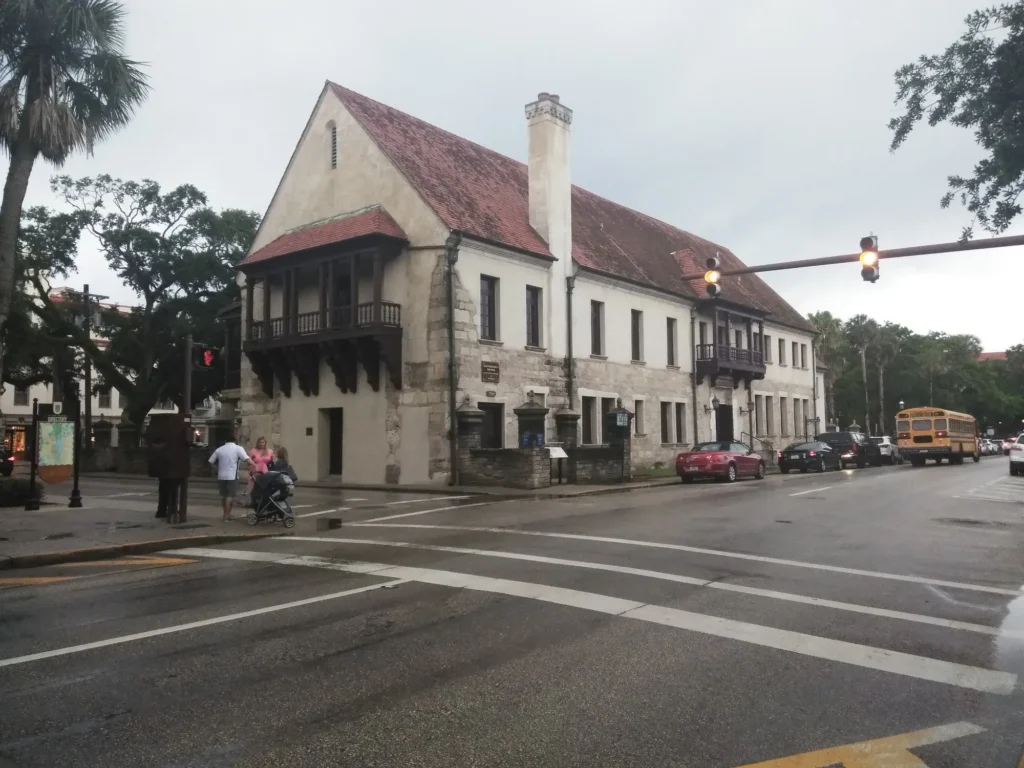
Historic Downtown St. Augustine stands as America’s most treasured colonial treasure, representing over 460 years of continuous occupation and serving as the living embodiment of our nation’s oldest European-established settlement. This walkable National Historic Landmark district, bounded by Cordova, Orange, and St. Francis Streets and Matanzas Bay, offers visitors an unparalleled journey through centuries of Spanish Colonial, British, and American history, all while maintaining a vibrant, contemporary atmosphere filled with world-class dining, unique shopping, fascinating museums, and cultural experiences that appeal to every type of traveler.
Founded by Spanish explorers in 1565 under Pedro Menéndez de Avilés, St. Augustine predates Jamestown by 42 years and Plymouth by 55 years, giving it the distinction of being the oldest continuously occupied European-established settlement in the continental United States. The historic downtown’s narrow brick streets, many of which existed long before the 1700s, follow the original Spanish colonial street plan that has remained remarkably intact through centuries of development. This authentic preservation of the urban fabric creates an atmosphere unlike anywhere else in America, where every cobblestone pathway, coquina structure, and weathered building tells a story of the countless people who have walked these same streets throughout four and a half centuries.
The architectural heritage of Historic Downtown reflects the diverse influences of Spanish Colonial, British, and American periods, with significant structures representing Renaissance Revival and Gilded Age styles alongside centuries-old Spanish fortifications. Roughly half of the district’s buildings predate 1925, creating an extraordinarily intact historical environment. The crown jewel is undoubtedly the Castillo de San Marcos, the oldest masonry fort in the continental United States, whose imposing coquina walls have stood since construction began with the community’s founding. This star-shaped fortress, now a National Monument, offers daily tours where visitors can explore gun decks, powder magazines, and prison cells while learning about the fort’s role in defending Spanish Florida against British, American, and pirate attacks.
St. George Street serves as the beating heart of downtown, transforming into a brick-paved pedestrian promenade where historic buildings house contemporary shops, restaurants, galleries, and attractions. This bustling thoroughfare offers everything from casual cafes and ice cream parlors to fine dining establishments, boutique shopping experiences, and specialty stores selling everything from handcrafted jewelry to historical souvenirs. The Old City Gate marks the northern entrance to St. George Street, providing a popular photo opportunity and gateway to downtown’s shopping and dining district. Along this iconic street, visitors discover attractions including the Colonial Quarter (a living history museum with costumed interpreters), the Oldest Wooden Schoolhouse (housed in a Minorcan homestead from the 1700s), and countless opportunities to step inside historic structures that have been beautifully adapted for modern use.
The waterfront along Matanzas Bay offers spectacular views and a serene counterpoint to the busier shopping streets. A walk along the bayfront passes historic landmarks, waterfront dining venues with outdoor seating, and lovely green spaces stretching from Castillo de San Marcos to the former Jesuit monastery. The Bridge of Lions, an architectural landmark spanning the bay, provides both functional access to Anastasia Island and beautiful views of the historic district’s skyline. The bay area is also home to the Municipal Marina where various boat tours depart for sightseeing cruises, dolphin watching excursions, and sunset sails.
Museum enthusiasts will find extraordinary collections throughout the district. The Lightner Museum, housed in the former Alcazar Hotel built by Henry Flagler in 1888, showcases an impressive collection of 19th-century fine and decorative arts in one of the most ornate and beautiful buildings in the city. Flagler College, still functioning as an active college, occupies Flagler’s former Ponce de León Hotel, another architectural masterpiece that offers guided tours allowing visitors to appreciate its stunning Spanish Renaissance architecture and Tiffany stained glass. The Cathedral Basilica of St. Augustine, the oldest Catholic parish in the United States, features beautiful murals and stained glass windows and welcomes visitors for tours and prayer.
Aviles Street, claiming the title of America’s oldest street with origins in the early 1600s, has evolved into the heart of St. Augustine’s Arts District. This charming lane is lined with art galleries showcasing local and regional artists, antique shops, studios where artisans work, and intimate restaurants serving everything from Spanish tapas to American classics. The street maintains its colonial width and character while embracing a thriving contemporary arts scene. The first Friday of each month features an Art Walk when galleries stay open late, musicians perform in the streets, and the entire district comes alive with creative energy.
The downtown district hosts countless events throughout the year that showcase its character and appeal. The legendary Nights of Lights festival transforms downtown into a winter wonderland from late November through January, with millions of white lights adorning buildings, trees, and public spaces, creating one of the most magical holiday displays in America. Year-round, visitors can find live music at various venues, seasonal festivals celebrating everything from Spanish heritage to maritime history, outdoor concerts, and cultural celebrations that honor the diverse communities that have shaped St. Augustine.
Dining in Historic Downtown represents a culinary journey spanning centuries and cultures. Classic Minorcan flavors (reflecting the Mediterranean settlers who arrived in the 18th century) appear on menus alongside Spanish-influenced dishes, fresh seafood from local waters, Southern comfort food, and contemporary American cuisine. The Columbia Restaurant, Florida’s oldest continuously operating restaurant, serves authentic Spanish and Cuban cuisine in an elegant setting. Waterfront establishments like O.C. White’s and Catch 27 offer fresh seafood with stunning bay views. Cozy cafes serve artisanal coffee and pastries perfect for breakfast or afternoon breaks, while historic taverns and craft cocktail bars create sophisticated evening atmospheres. Every taste and budget finds accommodation in downtown’s diverse dining scene.
Shopping extends beyond St. George Street to include boutiques throughout the district specializing in locally made goods, historical reproductions, artisan crafts, fashion, home décor, and unique gifts. Local artisans sell handcrafted jewelry, leather goods, pottery, and art that make meaningful souvenirs far superior to mass-produced items. The district also features several antique shops where treasure hunters can discover vintage finds and collectibles.
Getting around Historic Downtown is easiest on foot, as the pedestrian-friendly layout and concentration of attractions within a compact area make walking the preferred method of exploration. The Historic Downtown Parking Garage offers convenient access to the district for those arriving by car, and additional street parking is available though it can be limited during peak hours and weekends. Various tour options provide alternatives to walking, including open-air trolley tours offering hop-on/hop-off convenience, ghost tours exploring the city’s haunted history, walking tours focusing on specific themes (architecture, Civil Rights history, culinary experiences), and even horse-drawn carriage rides adding romance to the experience.
The district’s accommodations range from historic bed and breakfasts occupying colonial-era buildings to boutique hotels and full-service properties, many offering the advantage of being within walking distance of all major attractions. Staying in the historic district allows visitors to experience the area’s character early in the morning and late in the evening when crowds thin and the streets take on a different, more intimate atmosphere.
Historic Downtown St. Augustine masterfully balances preservation with vitality, creating a destination where history isn’t locked away in museums but lived every day on streets that have witnessed nearly five centuries of human drama, triumph, and everyday life. This is a place where visitors can walk in the footsteps of Spanish conquistadors, colonial governors, Civil Rights activists, and countless ordinary citizens whose lives unfolded in these streets, all while enjoying contemporary amenities, world-class dining, unique shopping, and cultural experiences that make Historic Downtown St. Augustine one of America’s most captivating and beloved destinations.
Good to know
- - Oldest continuously occupied European-established settlement in continental United States
- - Founded September 8, 1565 by Spanish explorer Pedro Menéndez de Avilés
- - Over 460 years of continuous occupation and history
- - National Historic Landmark District designated 1970
- - Bounded by Cordova, Orange, St. Francis Streets and Matanzas Bay
- - Original Spanish colonial street plan remarkably intact
- - Narrow brick and cobblestone streets dating to before 1700s
- - Roughly 50% of buildings predate 1925
- - Walkable district perfect for exploring on foot
- - Castillo de San Marcos (oldest masonry fort in continental U.S.)
- - Fort construction began 1672, completed 1695
- - National Monument offering daily tours and cannon firing demonstrations
- - St. George Street - main pedestrian shopping and dining corridor
- - Brick-paved promenade closed to vehicle traffic
- - Hundreds of shops, restaurants, galleries, and attractions
- - Old City Gate marking northern entrance to St. George Street
- - Colonial Quarter living history museum with costumed interpreters
- - Oldest Wooden Schoolhouse in 1700s Minorcan homestead
- - Lightner Museum in former Alcazar Hotel (1888)
- - Impressive 19th-century fine and decorative arts collection
- - Flagler College in former Ponce de León Hotel
- - Guided tours of Spanish Renaissance architecture and Tiffany glass
- - Cathedral Basilica of St. Augustine (oldest Catholic parish in U.S.)
- - Beautiful murals, stained glass, guided tours available
- - Aviles Street claiming title of oldest street in America (early 1600s)
- - Arts District with galleries, studios, antiques, intimate restaurants
- - First Friday Art Walk monthly celebration
- - Matanzas Bay waterfront with spectacular views
- - Waterfront dining with outdoor seating and bay views
- - Bridge of Lions architectural landmark spanning bay
- - Municipal Marina with boat tours, dolphin cruises, sunset sails
- - Governor's House Cultural Center and Museum
- - Gonzalez-Alvarez House (Oldest House Museum Complex)
- - Oldest surviving Spanish colonial dwelling in city
- - Fountain of Youth Archaeological Park nearby
- - Old Jail with costumed historical tours
- - Ghost and Graveyard tours exploring haunted history
- - Nights of Lights Festival (late November through January)
- - Millions of white lights creating magical holiday display
- - Year-round festivals, concerts, and cultural celebrations
- - Live music venues throughout district
- - Exceptional dining ranging from Minorcan to Spanish to contemporary American
- - Columbia Restaurant (Florida's oldest continuously operating restaurant)
- - Waterfront seafood restaurants with bay views
- - Historic taverns and craft cocktail bars
- - Cozy cafes serving artisanal coffee and pastries
- - Boutique shopping featuring local artisans and craftspeople
- - Handcrafted jewelry, leather goods, pottery, art
- - Antique shops with vintage finds and collectibles
- - Specialty stores selling historical reproductions and souvenirs
- - Open-air trolley tours with hop-on/hop-off convenience
- - Walking tours focusing on history, architecture, food, Civil Rights
- - Horse-drawn carriage rides for romantic exploration
- - Segway and bike tours available
- - Historic Downtown Parking Garage provides convenient access
- - Street parking available but limited during peak times
- - Weekday mornings quieter, weekends more bustling
- - Range of accommodations from B&Bs to boutique hotels
- - Historic properties offering authentic period atmosphere
- - Walking distance to all major attractions from most lodging
- - Architecture spanning Spanish Colonial, British, American periods
- - Renaissance Revival and Gilded Age influences
- - Coquina stone buildings from Spanish era
- - Former Jesuit monastery converted to cultural uses
- - Plaza de la Constitución (historic central plaza since 1500s)
- - San Sebastian River forming western boundary
- - Connected to Lincolnville Historic District
- - Easy access to Anastasia Island and beaches
- - Safe, well-maintained pedestrian environment
- - Active preservation ensuring authentic historical character
- - Contemporary vitality with shops, restaurants, events
- - Photography opportunities at every turn
- - Perfect for families, couples, history enthusiasts, foodies
- - Accessible experiences for visitors of all ages and abilities