
Guana Tolomato Matanzas Reserve Beach Access
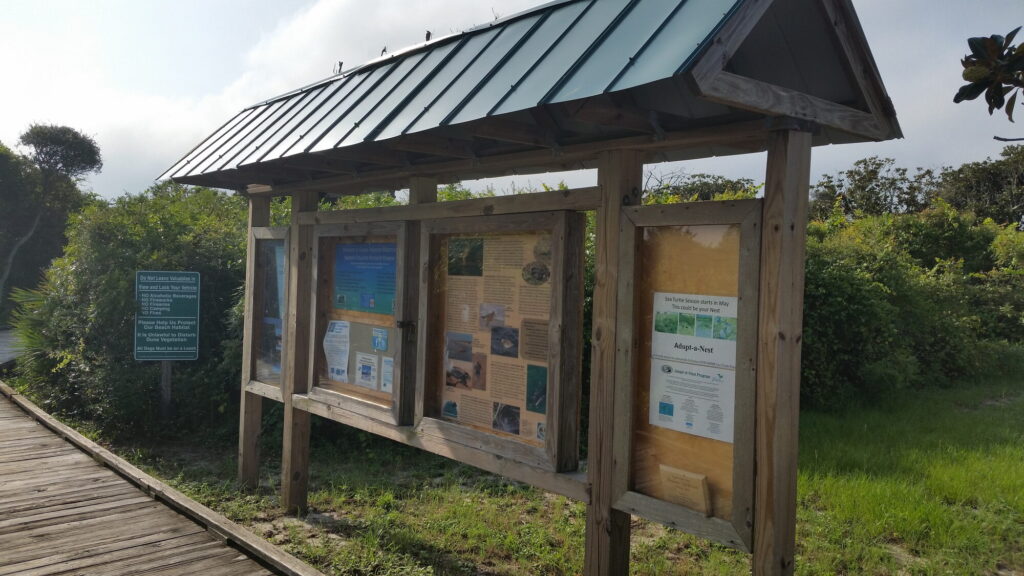
The Guana Tolomato Matanzas National Estuarine Research Reserve represents one of Florida’s most treasured natural preserves, protecting 76,760 acres of pristine coastal ecosystems that stretch approximately 60 miles along Florida’s northeast coast from Ponte Vedra Beach to Palm Coast. This remarkable reserve encompasses some of the most diverse and ecologically significant habitats in the state, including salt marshes and mangrove tidal wetlands, oyster bars, estuarine lagoons, upland habitat, and offshore seas, all serving as a living laboratory for scientists, graduate students, and environmental educators who study these critical coastal environments.
The beach access areas within the GTM Reserve provide visitors with extraordinary opportunities to experience unspoiled Atlantic coastline while learning about coastal conservation and marine ecosystems. The reserve features three primary beach parking lots along A1A in Ponte Vedra Beach, located north of the GTM Visitor Center between four and seven miles north of Guana River Road. These parking areas provide easy access to some of the most beautiful and least developed beaches in the region, where towering dunes measuring 30 to 40 feet (some of the highest in Florida) create a dramatic backdrop to the pristine shoreline.
The GTM Reserve Visitor Center, located at 505 Guana River Road in Ponte Vedra Beach, serves as an excellent starting point for any visit to the reserve. This impressive facility features interactive exhibits that introduce visitors to the area’s natural wonders, including aquariums showcasing local marine life and reptiles (including non-venomous snakes), hands-on displays about estuarine ecosystems, and educational programming that helps visitors understand the importance of coastal conservation. A full-scale model of a North Atlantic right whale hangs from the ceiling, immediately capturing visitors’ attention and highlighting the reserve’s role in protecting these endangered marine mammals that use the coastal waters as calving grounds.
The beaches within the GTM Reserve offer outstanding opportunities for shell collecting and shark tooth hunting, with coquina shells, mermaid’s purses (egg cases), and sharks’ teeth going back 60 million years commonly found along the shoreline. The combination of strong tidal currents near the inlet and the reserve’s position along the coast creates ideal conditions for discovering these treasures, making beachcombing a popular activity for visitors of all ages. Serious collectors often find ancient fossilized shark teeth alongside modern specimens, creating a tangible connection to the area’s prehistoric past.
Beach access within the reserve is available at multiple locations along A1A, with parking lots positioned on the west side of the highway and wooden boardwalks crossing the protected dunes to reach the beach. The South Beach Access parking lot at 1798 Ponte Vedra Boulevard serves as one of the main entry points, offering wheelchair-accessible facilities and serving as the starting point for guided educational programs. These parking areas require a small daily fee of three dollars per vehicle (up to eight people), with reduced rates for pedestrians, bicyclists, and additional passengers. Annual parking passes are also available for fifty dollars plus tax, providing unlimited access for frequent visitors.
Beyond beach access, the GTM Reserve offers more than nine miles of nature trails and old service roads that wind through various preserved habitats including coastal hammocks, scrub communities, and flatwoods. These trails provide excellent opportunities for hiking, mountain biking, and horseback riding (on weekdays excluding holidays). The diverse ecosystems support an incredible array of wildlife, with documented species including at least 44 mammals, 358 birds, 41 reptiles, 21 amphibians, 303 fish, and 580 plant species. The reserve provides habitat for 48 protected animal species and eight protected plants, making it a critical conservation area for regional biodiversity.
The reserve is particularly significant as the northernmost extent of mangrove habitat on the east coast of the United States, representing a unique transition zone where tropical and temperate ecosystems meet. This ecological overlap creates exceptional opportunities for wildlife observation and scientific research. The GTM Reserve is part of the Great Florida Birding Trail, attracting birdwatchers who come to observe species ranging from colorful roseate spoonbills and painted buntings to osprey, eagles, and numerous wading birds that hunt along Salt Run and throughout the marshlands.
Water-based activities within the reserve include kayaking and stand-up paddleboarding through the calm waters of Salt Run and the Guana River, where visitors can explore tidal creeks, observe fish and wildlife, and experience the tranquil beauty of these protected waterways. Boat ramps provide access to both Guana Lake (with a 10-horsepower engine limit) and the Guana River (navigable depending on tide levels due to mudflats). Fishing is popular throughout the reserve, with 16 species harvested commercially and 18 species fished recreationally supporting the local economy and providing excellent angling opportunities.
The reserve manages several special programs and events throughout the year, including monthly Beach Exploration walks on the third Saturday of each month from 9:00 to 11:00 AM, where visitors learn about beach ecology, shells, and marine life. The reserve also hosts Stewardship Beach Cleanups on the fourth Saturday of each month, allowing volunteers to help protect these pristine beaches while enjoying the coastal environment. Additional programs include guided hikes exploring cultural history, seasonal walks at the Matanzas Inlet, and educational presentations at the reserve’s field office in Marineland.
Historical significance adds another dimension to the GTM Reserve experience. The area preserves evidence of human habitation spanning approximately 5,000 years, including Native American archaeological sites and remnants of European plantation life. Educational programs often incorporate this cultural history, explaining how indigenous peoples utilized the vast estuarine resources and how the landscape has been shaped by human activity over millennia. The reserve’s commitment to preserving both natural and cultural resources makes it a unique destination for those interested in comprehensive environmental education.
The GTM Visitor Center itself provides an excellent indoor destination for days when weather conditions make outdoor exploration less appealing, or for those who want to learn more about the reserve before venturing onto the trails or beach. The facility includes gift shops, restrooms, and comfortable spaces for viewing exhibits and watching educational videos. Admission to the Visitor Center is free, making it an accessible resource for everyone interested in learning about Florida’s coastal ecosystems.
The reserve’s parking system has been modernized to use automated payment through mobile apps or QR codes, making it convenient for visitors to pay for parking without needing cash. The Premium Parking system allows visitors to simply park and scan the QR code or text the lot number to complete payment. This contactless system reduces environmental impact while streamlining the visitor experience.
Celebrating its 25th anniversary, the GTM Research Reserve continues to fulfill its mission of researching, educating the public, and protecting the natural biodiversity and cultural resources within the estuary. As one of only 30 national estuarine research reserves in the country, it serves as a model for coastal conservation and environmental education, welcoming visitors who want to experience pristine Florida beaches while learning about the importance of preserving these fragile ecosystems for future generations.
Good to know
- - Protects 76,760 acres of pristine coastal ecosystems
- - Stretches approximately 60 miles from Ponte Vedra Beach to Palm Coast
- - Three primary beach parking lots along A1A north of Visitor Center
- - Some of Florida's highest sand dunes measuring 30-40 feet
- - GTM Visitor Center at 505 Guana River Road with free admission
- - Interactive exhibits, aquariums, and full-scale North Atlantic right whale model
- - Educational programs about estuarine ecosystems and conservation
- - Outstanding shell collecting and shark tooth hunting opportunities
- - Fossilized shark teeth dating back 60 million years commonly found
- - Multiple beach access points with wooden boardwalks over protected dunes
- - Wheelchair-accessible South Beach Access parking lot
- - More than 9 miles of nature trails through diverse habitats
- - Hiking, mountain biking, and horseback riding opportunities
- - Documented wildlife includes 358 bird species, 44 mammals, 303 fish species
- - Habitat for 48 protected animal species and 8 protected plants
- - Northernmost mangrove habitat on U.S. east coast
- - Part of Great Florida Birding Trail with exceptional birdwatching
- - Kayaking and stand-up paddleboarding in Salt Run and Guana River
- - Boat ramps accessing Guana Lake and Guana River
- - 16 commercially harvested species, 18 recreationally fished species
- - Monthly Beach Exploration walks third Saturday 9:00-11:00 AM
- - Stewardship Beach Cleanups fourth Saturday of each month
- - Guided hikes exploring 5,000 years of human history
- - Native American archaeological sites preserved throughout reserve
- - One of only 30 national estuarine research reserves in the country
- - Critical calving grounds for endangered North Atlantic right whales
- - Unique transition zone between tropical and temperate ecosystems
- - Colorful roseate spoonbills, painted buntings, osprey, and eagles
- - Maritime hammocks, coastal scrub, and flatwoods habitats
- - Ancient coquina quarries and archaeological sites
- - Educational field office in Marineland with guided programs
- - Automated parking payment via mobile app or QR codes
- - Premium Parking system for contactless payment convenience
- - Free Visitor Center admission with gift shop and restrooms
- - Parking fee: $3 per vehicle (up to 8 people)
- - Annual parking pass: $50 plus tax for unlimited access
- - Open 8:00 AM to sunset, 365 days a year
- - Celebrating 25th anniversary as research reserve
- - Living laboratory for scientists and graduate students
- - Nature journaling workshops and educational programs
- - Whiskey, Wine & Wildlife special events
- - EstuSCARY Halloween event with haunted trails and activities
- - Located between Vilano Beach and Ponte Vedra Beach
- - Popular for swimming, surfing, fishing, and wildlife viewing
- - Protected sea turtle nesting areas during season
- - Pristine, undeveloped beaches with natural beauty
- - Highway walkovers crossing A1A to beach access
- - Ideal for photography and nature observation