
Best Historical Attractions in St. Augustine
St. Augustine's Best Historical Attractions
America's oldest city has real history, here's what's worth your time.
Best Historical Attractions in St. Augustine, Florida
The oldest permanently settled European city in the United States, and the history isn't just a slogan.
Founding-Era Attractions
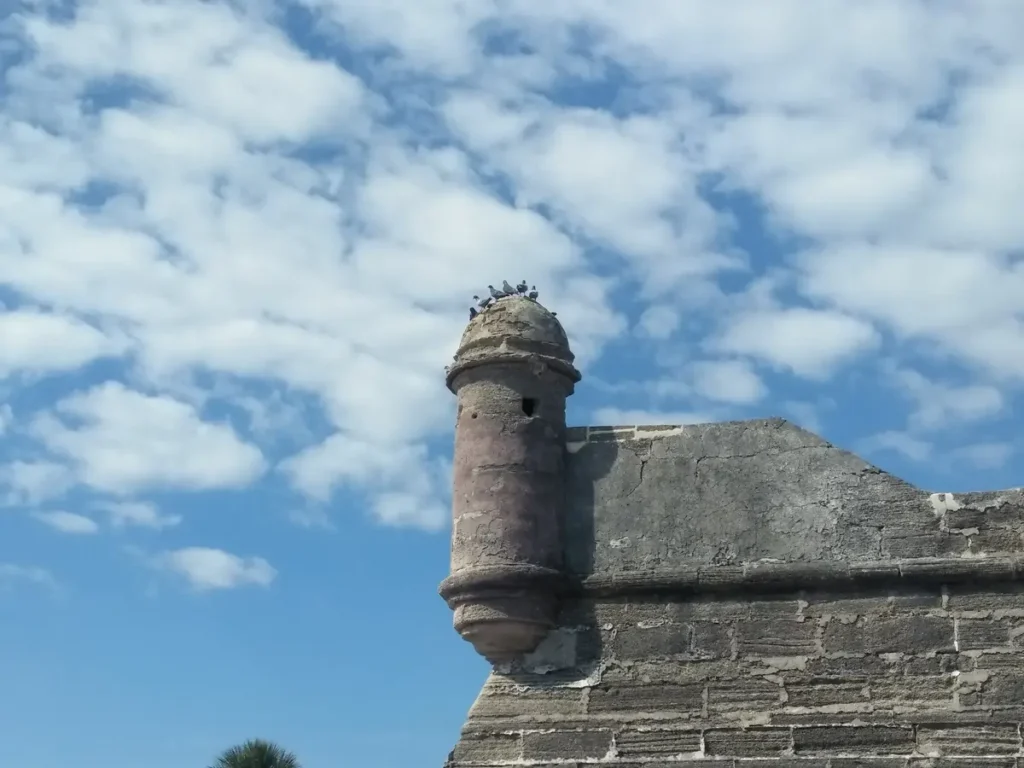
Castillo de San Marcos
Construction began in 1672 and was completed in 1695. The fort is made of coquina, a natural shell-stone that was used because cannonballs embedded in it rather than shattering it. The oldest masonry fort in the continental United States and a National Monument administered by the National Park Service. The cannon firings on weekends are one of the most memorable visitor experiences in Florida.
Built: 1672-1695
Admission: Fee applies; free for children under 15
The Colonial Quarter
A living history museum recreating life in colonial St. Augustine across three different historical periods, 1600s Spanish, 1700s British, and early 1800s Spanish. Costumed interpreters demonstrate period crafts, military drills, and daily life. One of the more immersive historical experiences in the city.
Fountain of Youth Archaeological Park
The site of the first Spanish settlement in North America, established in 1565. Active archaeology continues here, visitors can watch ongoing excavations and view artifacts from the original settlement. The Timucua Native American village recreation adds additional historical context.
Gilded Age Attractions
Flagler College (Former Ponce de Leon Hotel)
Henry Flagler built the Ponce de Leon Hotel in 1888, and it was the most luxurious hotel in the United States when it opened. Tiffany Studios created the stained glass windows, 79 of them, the largest single commission Tiffany ever received. The Spanish Renaissance architecture transformed St. Augustine into a winter resort for the Gilded Age elite. Now Flagler College, with interior tours available.
Lightner Museum
The former Hotel Alcazar, another Flagler property from 1888, now houses the Lightner Museum's collection of Gilded Age decorative arts. The building itself, with its Spanish Renaissance towers and the former indoor pool now serving as a cafe, is as significant as the collection inside.
Civil War and Later History
Fort Mose Historic State Park
The site of Fort Mose, established in 1738 as the first legally sanctioned free Black settlement in what is now the United States. Enslaved people who escaped from British colonies were granted freedom by the Spanish if they converted to Catholicism and served the Spanish Crown. A critical and undervisited site in American history.
Lincolnville Historic District
The historic African-American neighborhood established after the Civil War, placed on the National Register of Historic Places. During the Civil Rights Movement of the 1960s, St. Augustine was a significant battleground, wade-ins at the beaches and marches through Lincolnville were part of the national campaign that contributed to the Civil Rights Act of 1964. Self-guided walking tour maps are available.
Local Tip: The best way to absorb St. Augustine's layered history is to hire a local guide for a walking tour. The difference between reading a placard and having a knowledgeable guide explain the political context of what you're looking at is significant. Two hours with a good guide covers more ground than two days alone.
Book a historical tour of St. Augustine:
Bring home a piece of history
Shop postcards, prints, and keepsakes from America's oldest city.
Explore more of St. Augustine:
- Best Ghost Tours
- Historic Downtown
- One-Day Itinerary
- Best Beaches
- Best Restaurants
- Best Tours